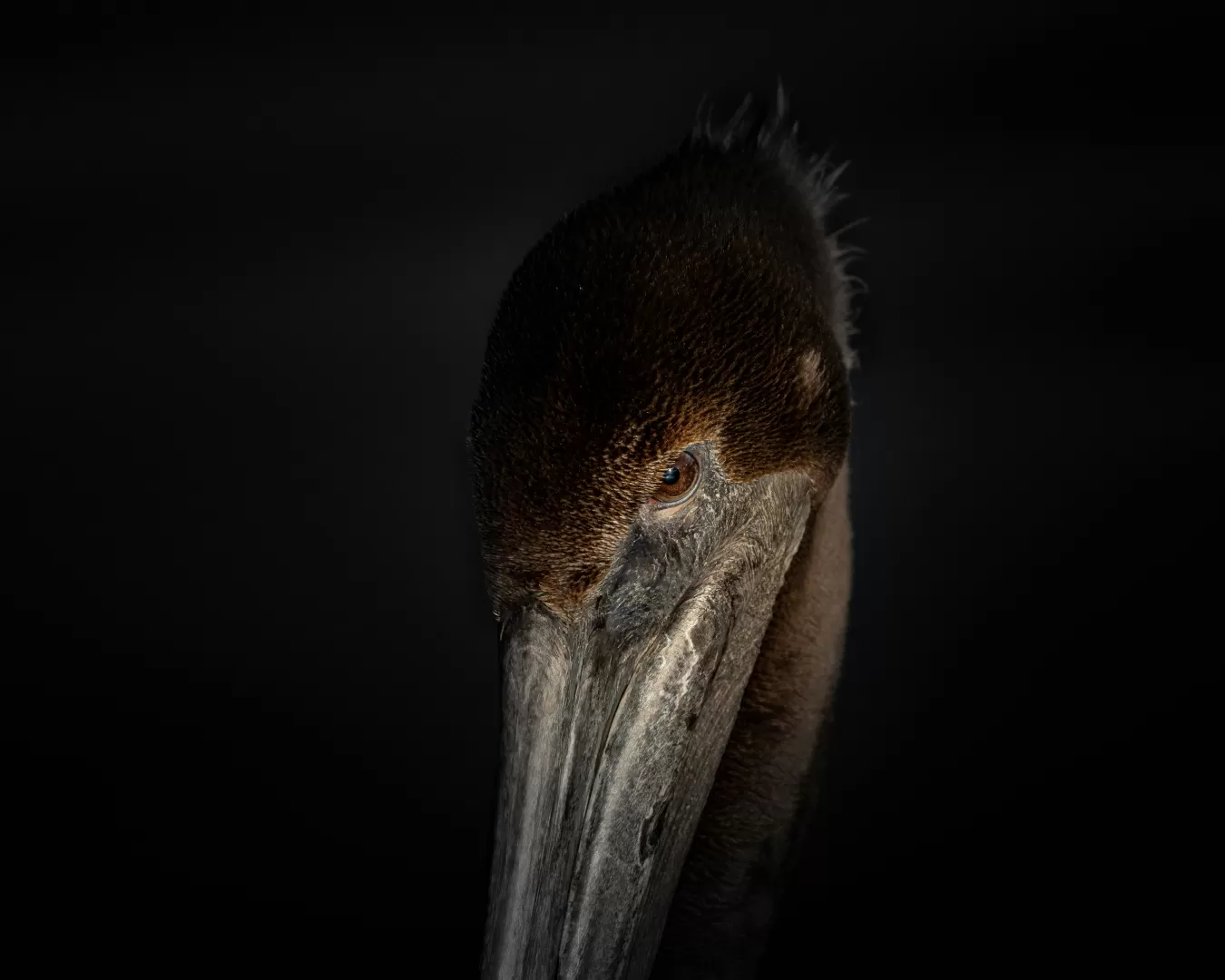
Learn the essentials of photographing wildlife on your next safari, from gear to positioning and timing.
Safari photography is not just about taking pictures of animals — it is about documenting raw, unscripted moments in the wild. Every movement, every glance, and every shift in light tells a story that unfolds only once. The unpredictability of nature is what makes each frame deeply personal and impossible to replicate.
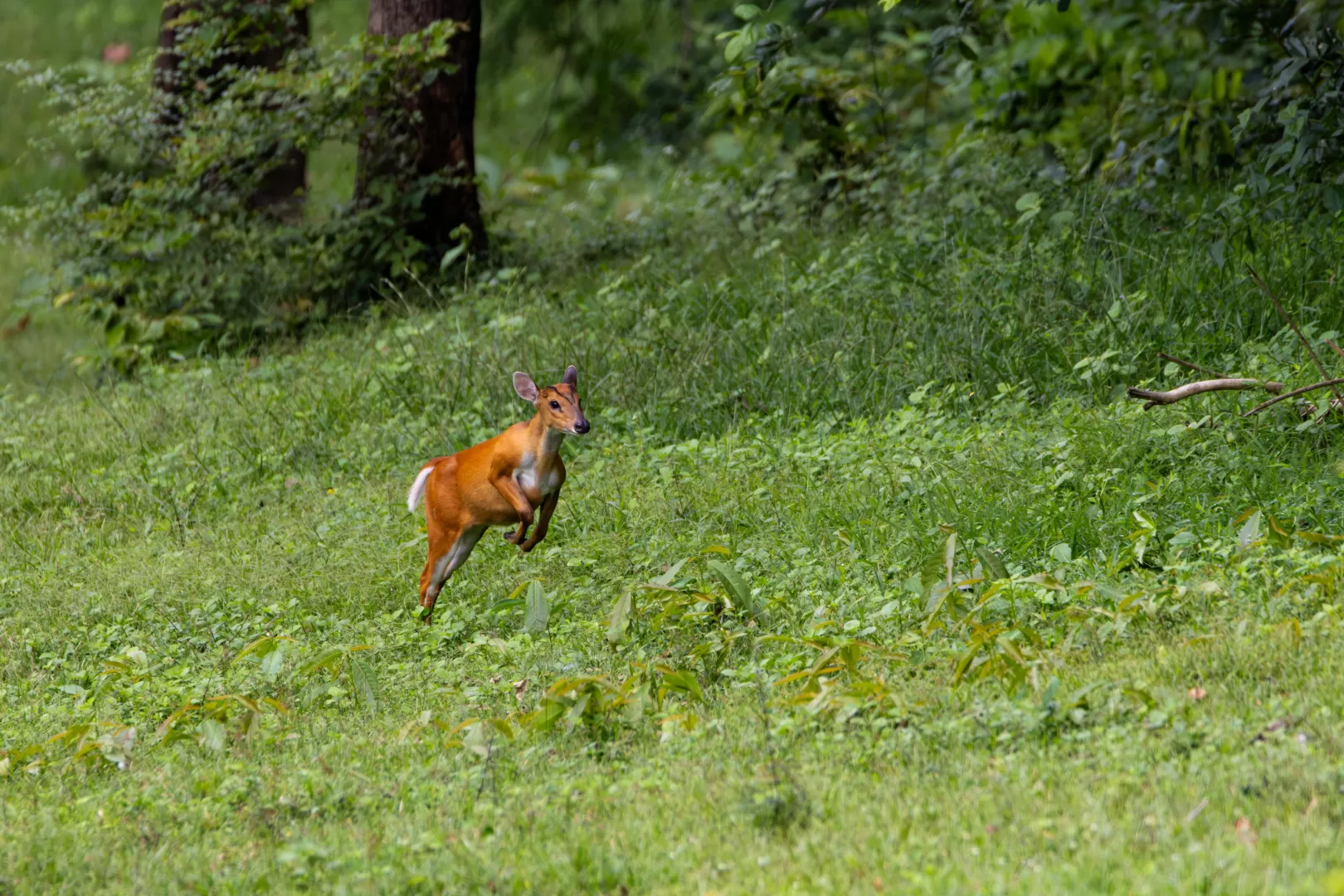
Before even lifting your camera, understanding animal behavior is one of the most powerful tools you can have. Knowing when a predator is about to move or when a herd is about to change direction allows you to anticipate moments rather than chase them. Patience becomes your greatest strength on the savannah.
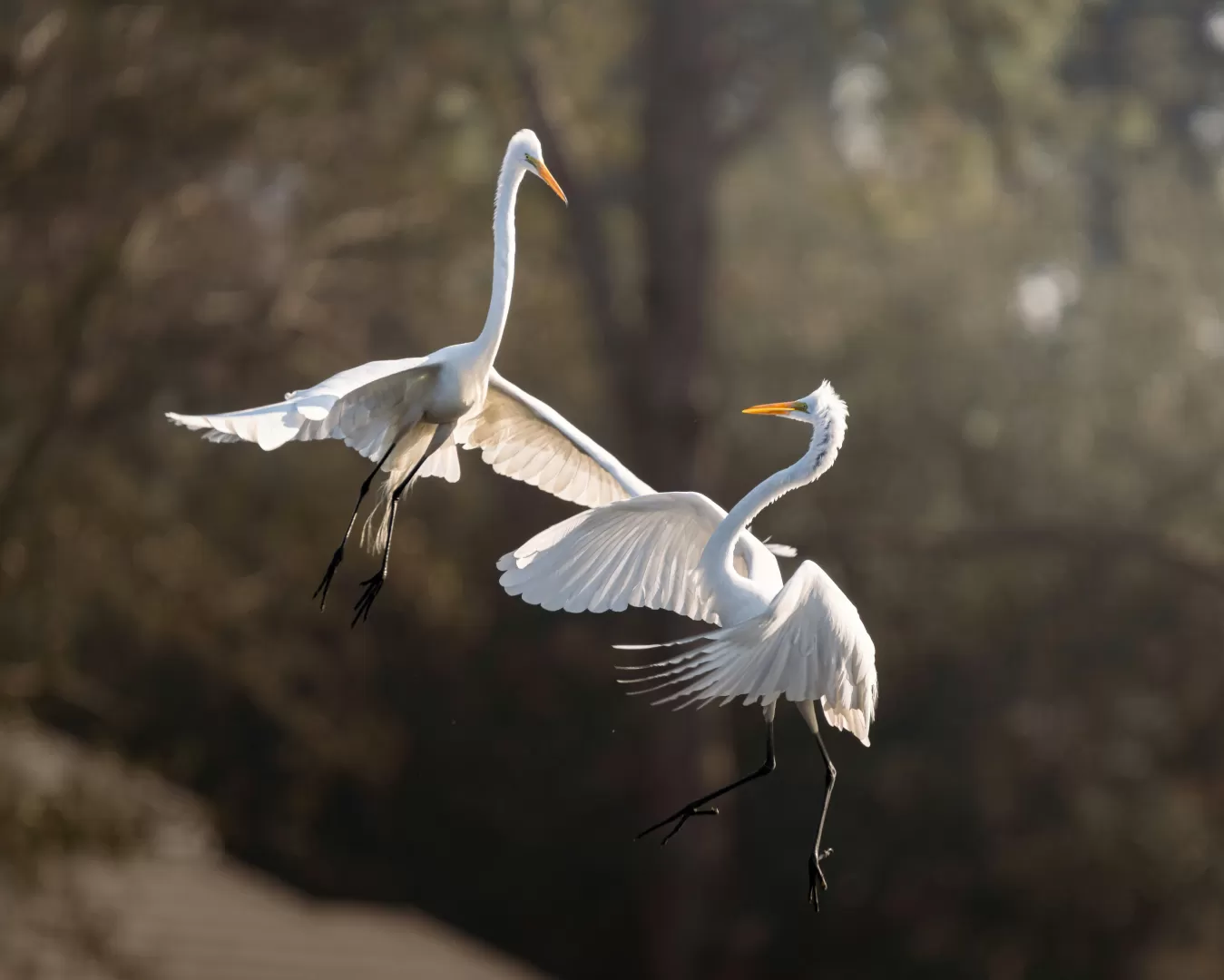
The golden hours of sunrise and sunset transform the landscape into a dramatic canvas of warm tones and long shadows. During these hours, animals are often more active, creating opportunities for dynamic storytelling shots rather than static portraits. Positioning yourself with the light behind your subject can create breathtaking silhouettes and cinematic compositions.
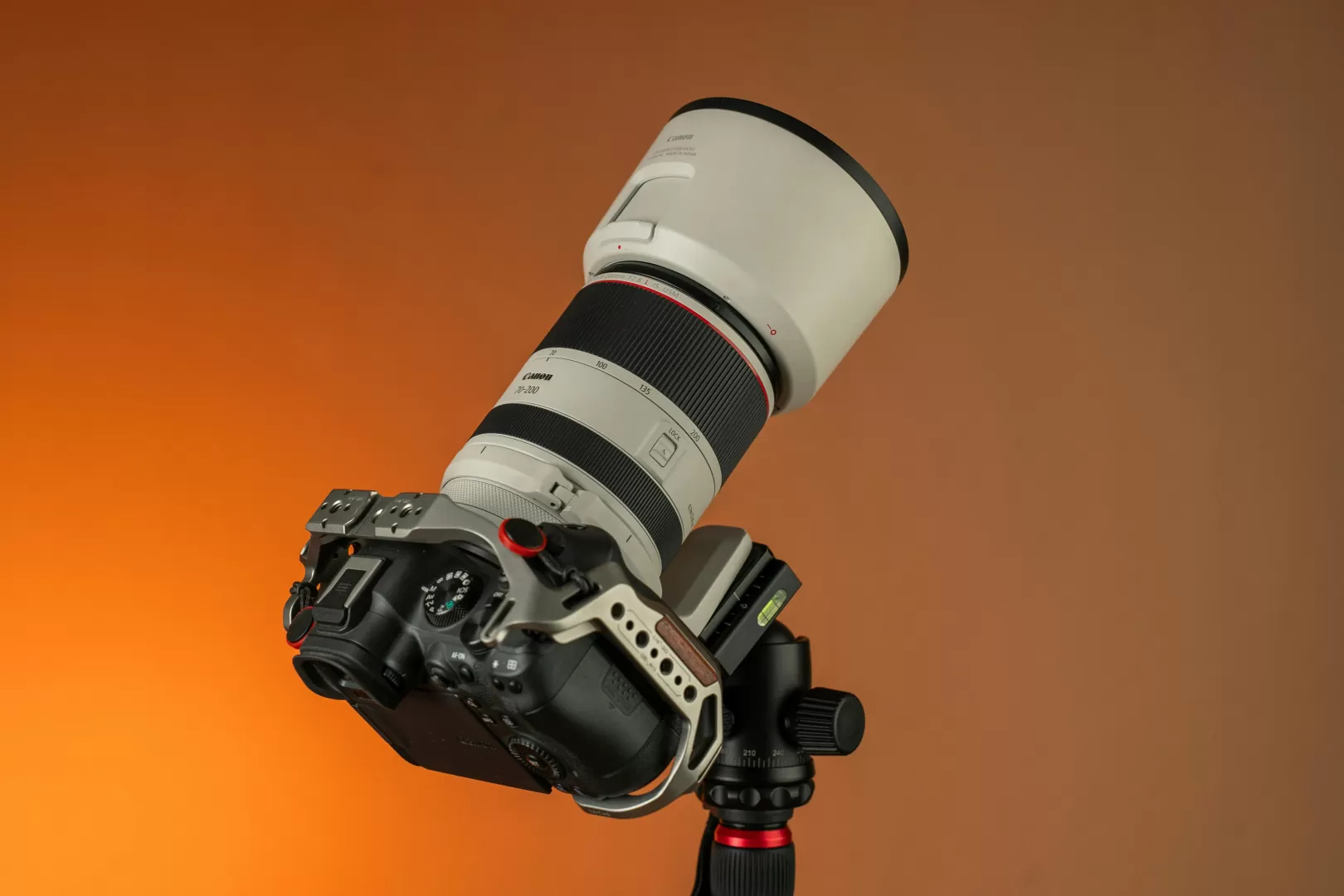
Lens selection plays a critical role in safari photography. A telephoto lens allows you to capture intimate details from a safe distance without disturbing wildlife. However, carrying a secondary wider lens helps you capture environmental portraits that show animals within their natural habitat.
Photography freezes what the heart refuses to forget.
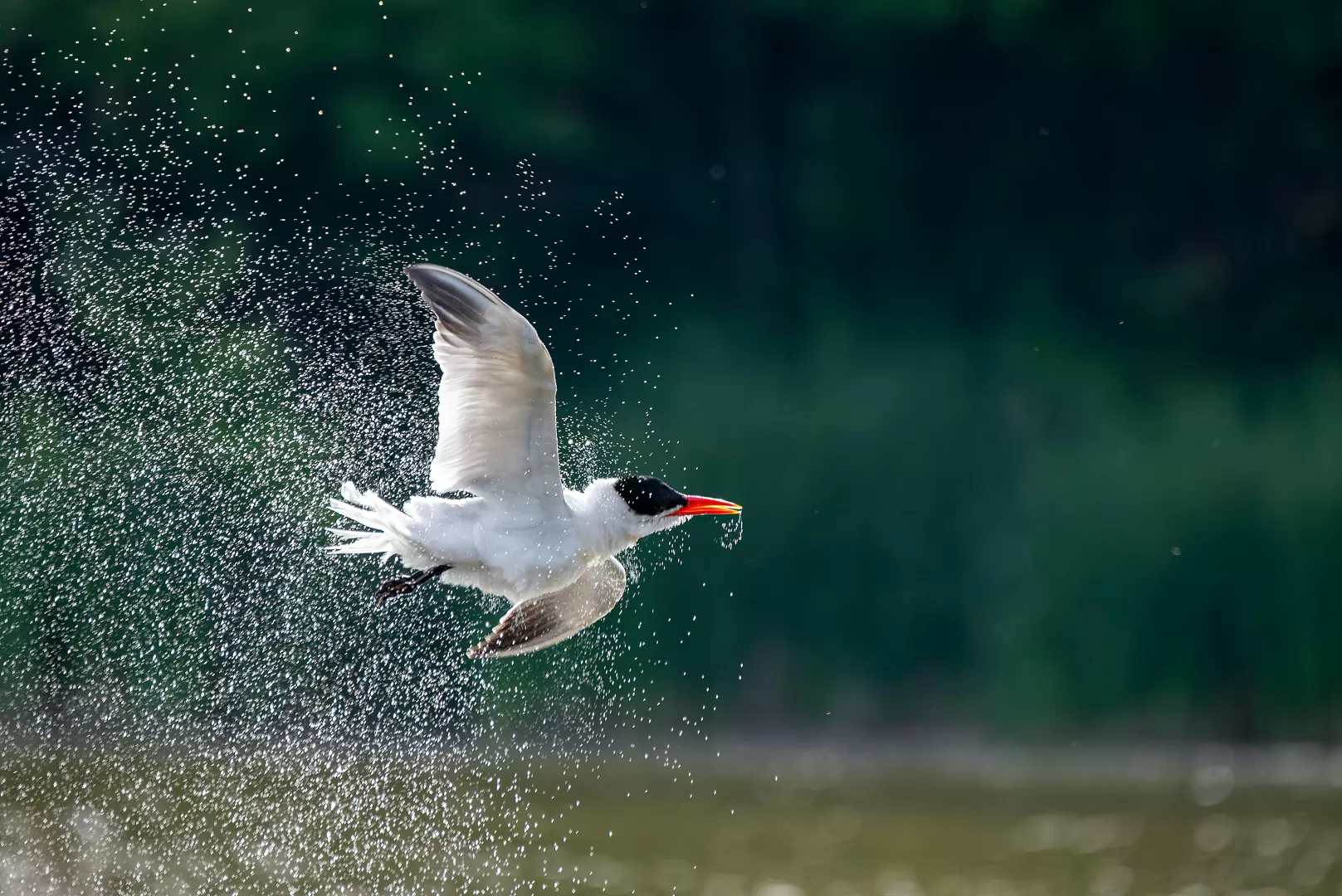
Movement is constant in the wild, and shutter speed becomes a crucial technical decision. Fast-moving subjects like birds or running predators require higher shutter speeds to freeze motion, while slower movements can be captured with slightly reduced speeds to maintain natural fluidity. Balancing ISO and aperture ensures sharpness without introducing unwanted noise.
Composition is more than simply centering an animal in the frame. Look for leading lines formed by grasslands, rivers, or tree branches to guide the viewer’s eye toward the subject. Including negative space often enhances the feeling of isolation and vastness that defines safari landscapes.
Respect for wildlife should always come before the pursuit of a perfect image. Maintaining a safe distance and avoiding sudden movements ensures that animals remain calm and natural. Ethical photography not only protects wildlife but also results in more authentic and relaxed photographs.
Dust, heat, and unpredictable weather conditions are part of every safari experience. Protecting your equipment with weather-sealed gear and proper storage is essential for long shooting days. Carrying microfiber cloths and spare batteries can make the difference between missing a moment and capturing something extraordinary.
Photography freezes what the heart refuses to forget.
Finally, remember that the true essence of safari photography lies in storytelling. Each photograph should evoke emotion — whether it is the quiet elegance of a grazing giraffe or the intensity of a lion’s focused stare. When you combine patience, technical preparation, and respect for nature, every safari becomes an unforgettable visual journey.
Captured & Written by Sreejith
Exploring landscapes, wildlife, and untold stories through the lens.