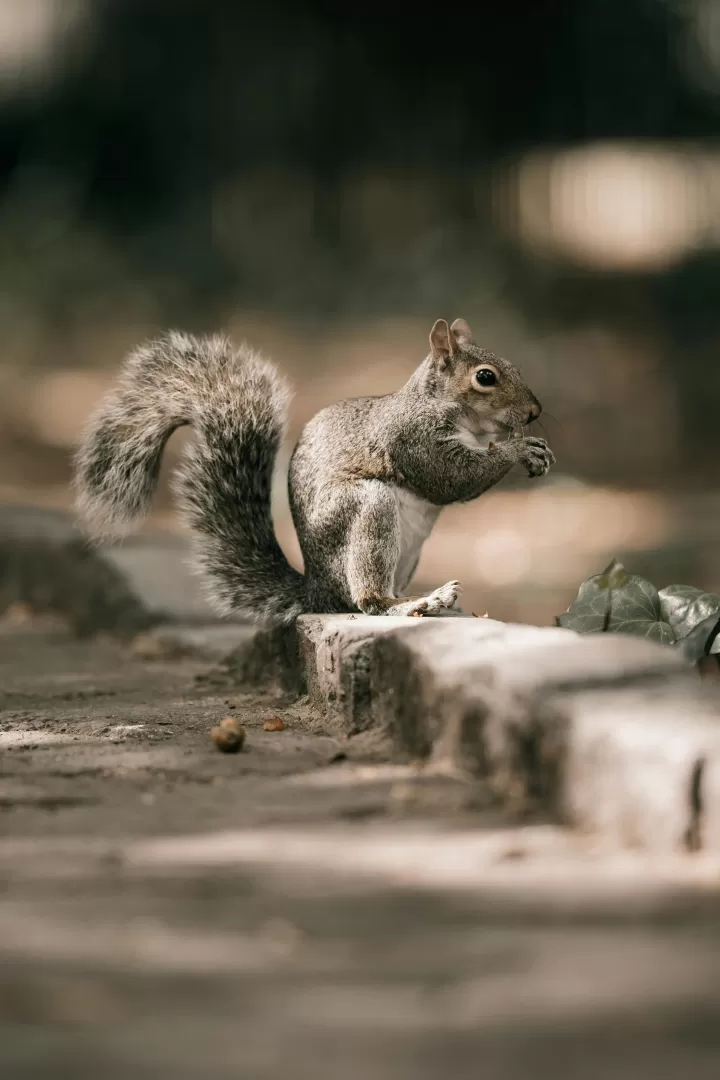
Techniques to capture stunning wildlife images during dawn, dusk, and night conditions.
Mastering Low Light Wildlife Photography
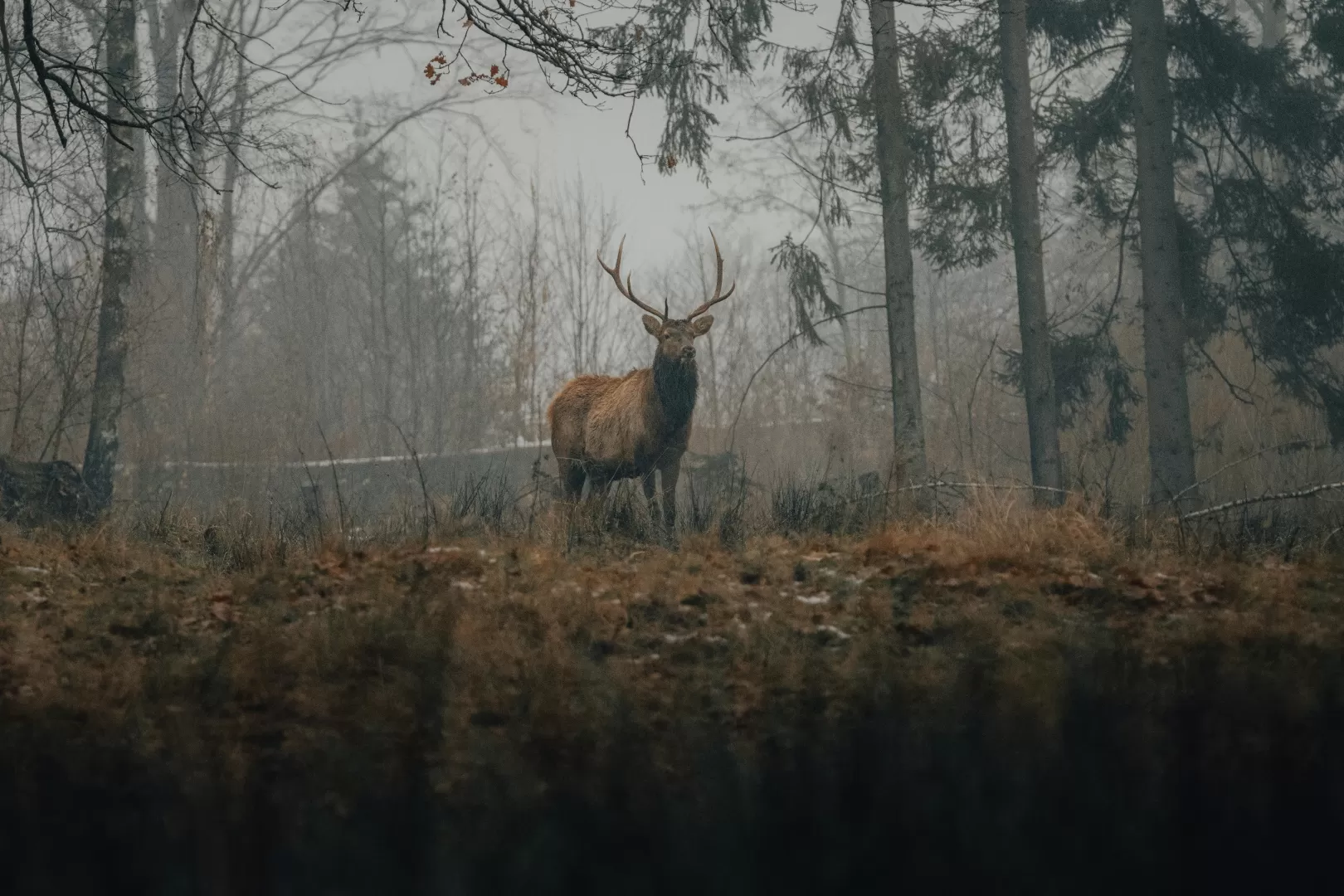
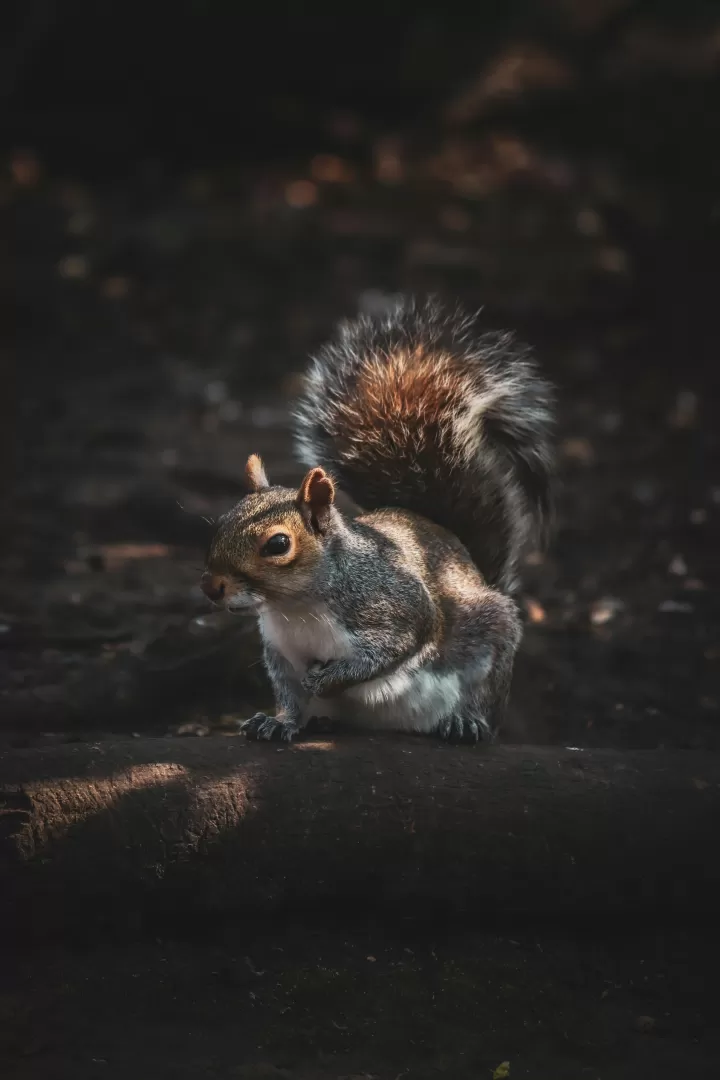
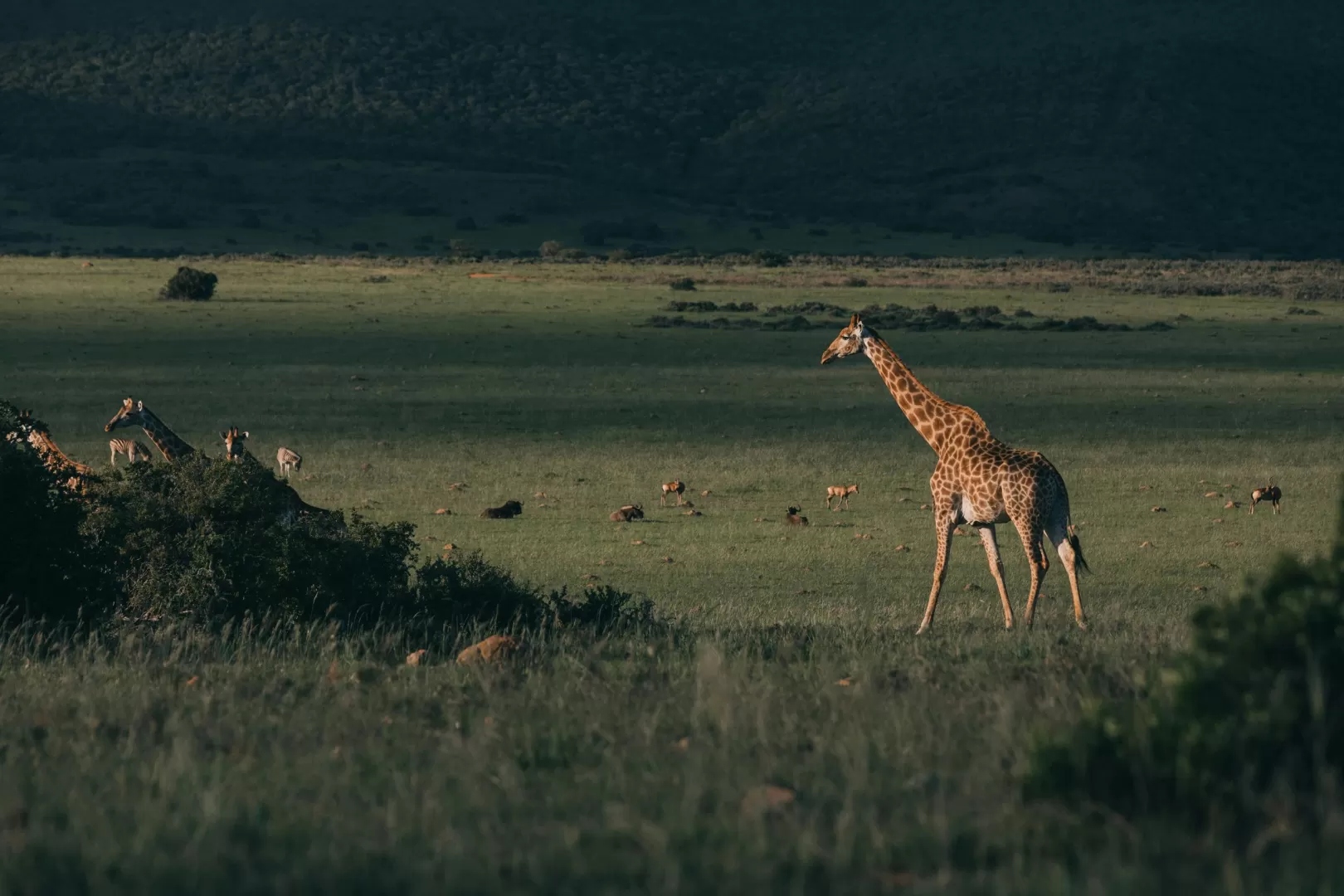
Wildlife doesn’t follow perfect lighting schedules. Many of the most magical animal encounters happen during dawn, dusk, or even at night — when light is limited but the atmosphere is incredible. Low light wildlife photography can be challenging, but when done right, it produces some of the most dramatic and emotional images in your portfolio.
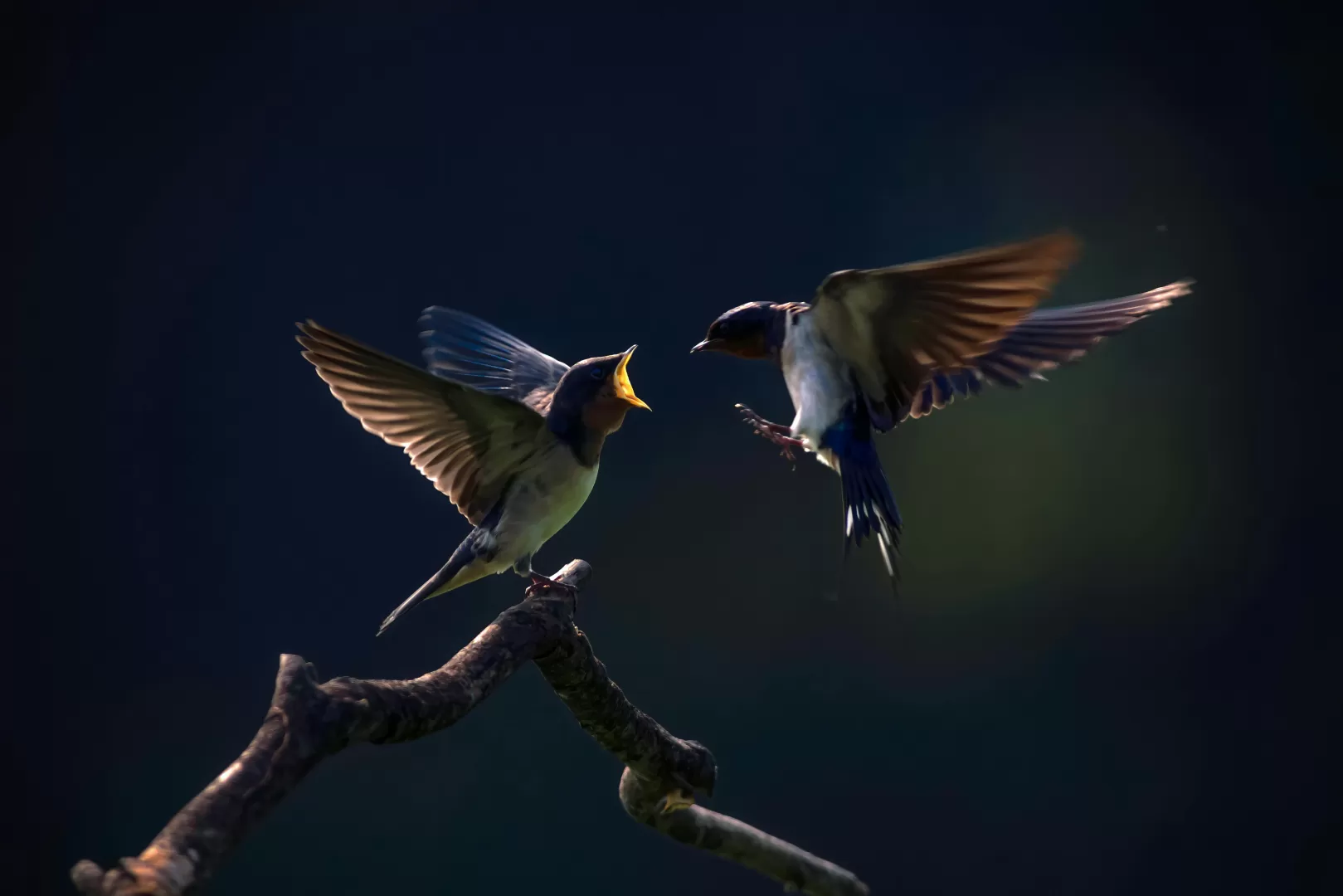
Whether you’re capturing predators at sunrise, nocturnal animals after dark, or birds during golden hour, understanding how to control your camera and work with natural light is essential.
Understanding the Challenges of Low Light
Low light introduces several technical difficulties — slower shutter speeds, increased image noise, and difficulty focusing on moving subjects. Wildlife adds another layer of complexity because animals rarely stay still.
Instead of fighting the conditions, successful photographers adapt their settings and shooting techniques to match the environment. Learning to anticipate movement and adjust exposure quickly makes a huge difference in capturing sharp, usable images.

Choosing the Right Camera Settings
Your camera settings play a critical role when light levels drop.
Use a wide aperture (low f-number) to allow more light into the lens and create beautiful background blur.
Increase ISO carefully to maintain exposure while balancing noise levels.
Maintain a fast enough shutter speed to freeze motion — especially for birds or running animals.
Shoot in RAW format so you can recover details during editing.
Consider using Auto ISO with minimum shutter speed to react quickly to changing wildlife behaviour.
Understanding the balance between aperture, shutter speed, and ISO is key to achieving sharp images without excessive grain.
Using the Right Gear for Low Light Conditions
While skill matters most, the right equipment can make low light shooting easier.
Fast telephoto lenses (such as f/2.8 or f/4) perform better in darker environments.
Cameras with strong low-light performance and reliable autofocus help track subjects.
A monopod or bean bag can reduce camera shake during long waits.
Silent shooting modes are useful when photographing sensitive or nocturnal animals.
Remember, stability becomes more important as shutter speeds drop.
Photography freezes what the heart refuses to forget.
Mastering Natural Light and Timing
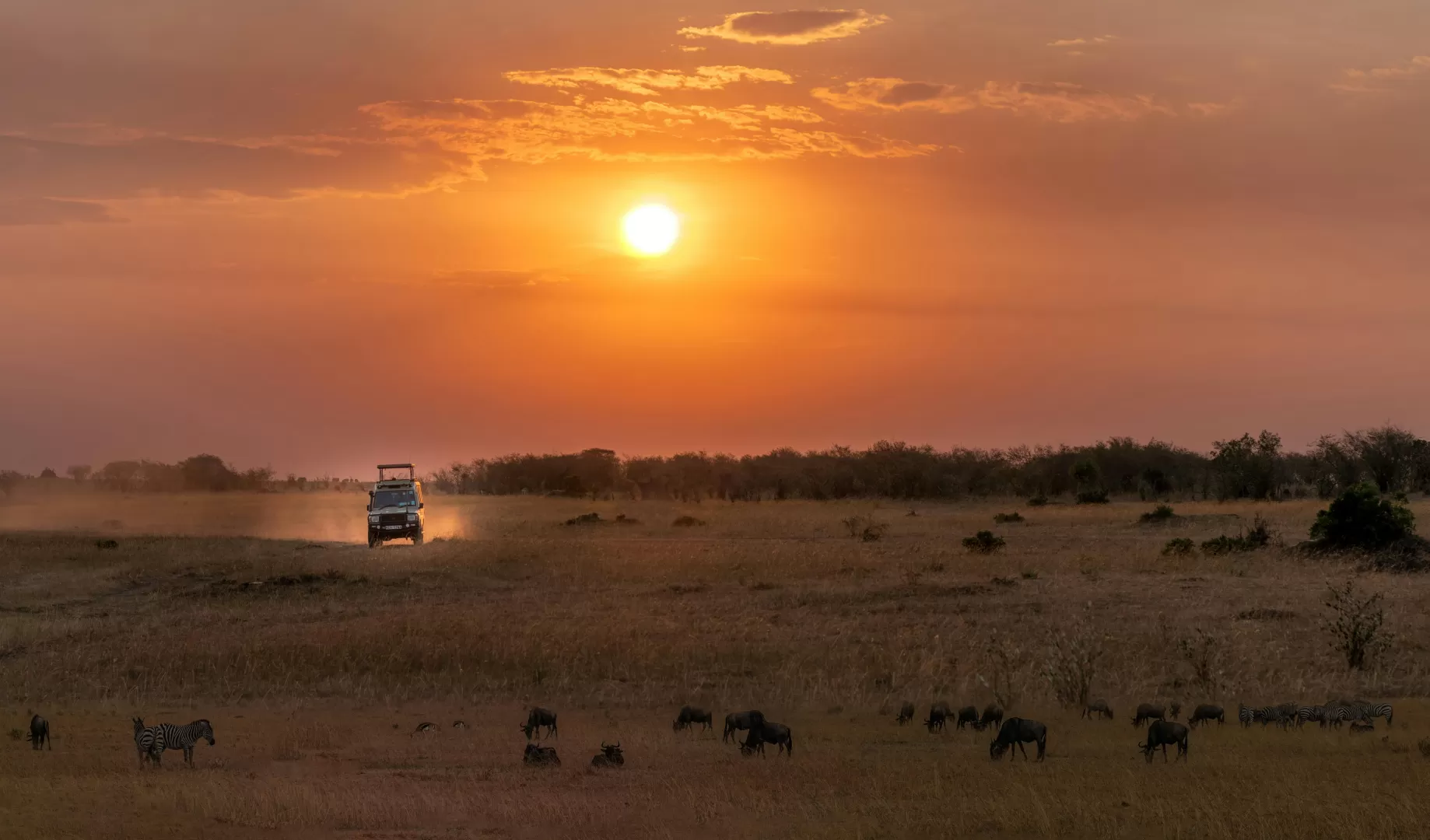
Low light doesn’t mean poor light — in fact, sunrise and sunset often provide the most beautiful tones and textures.
Position yourself so the light falls softly across the animal’s face.
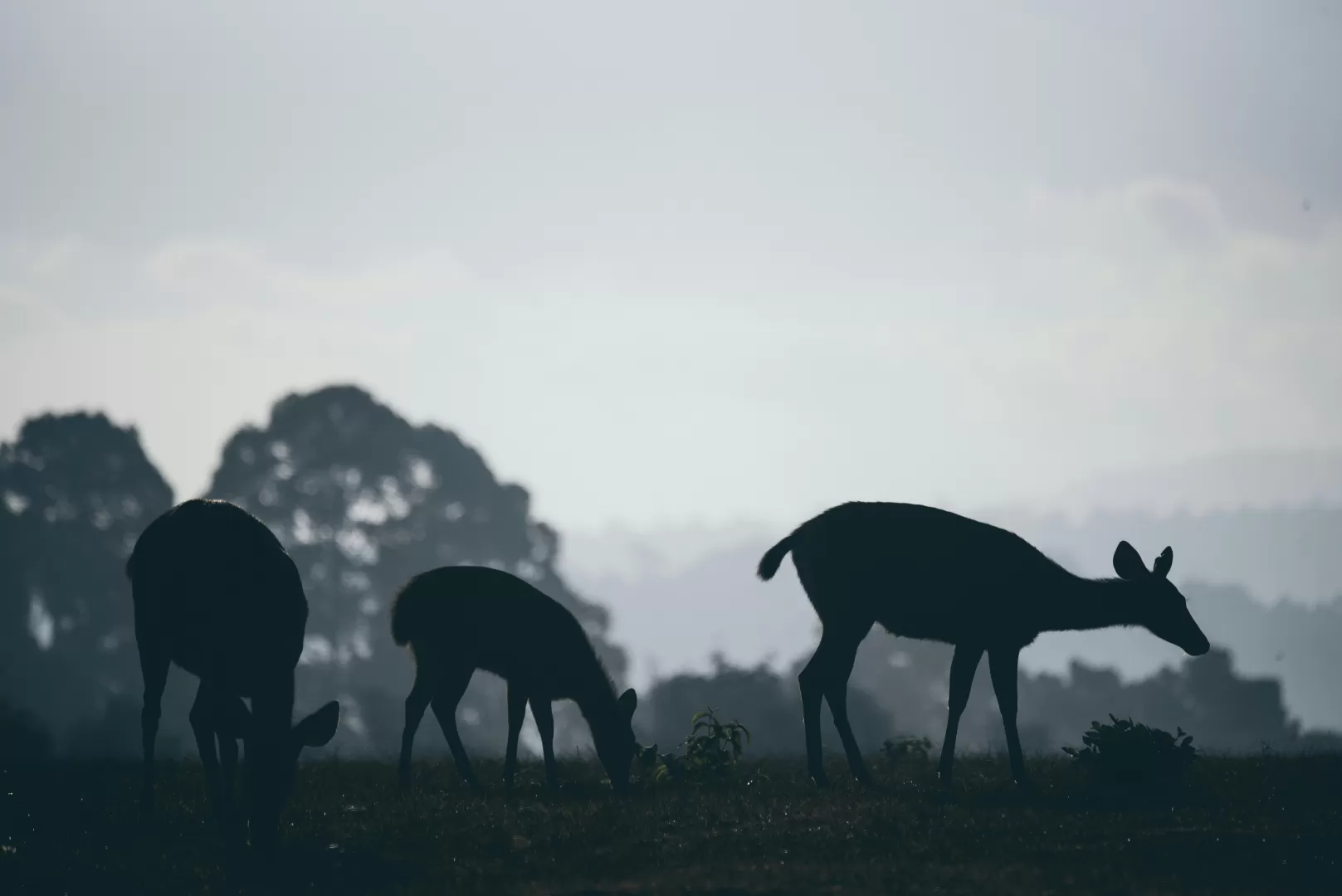
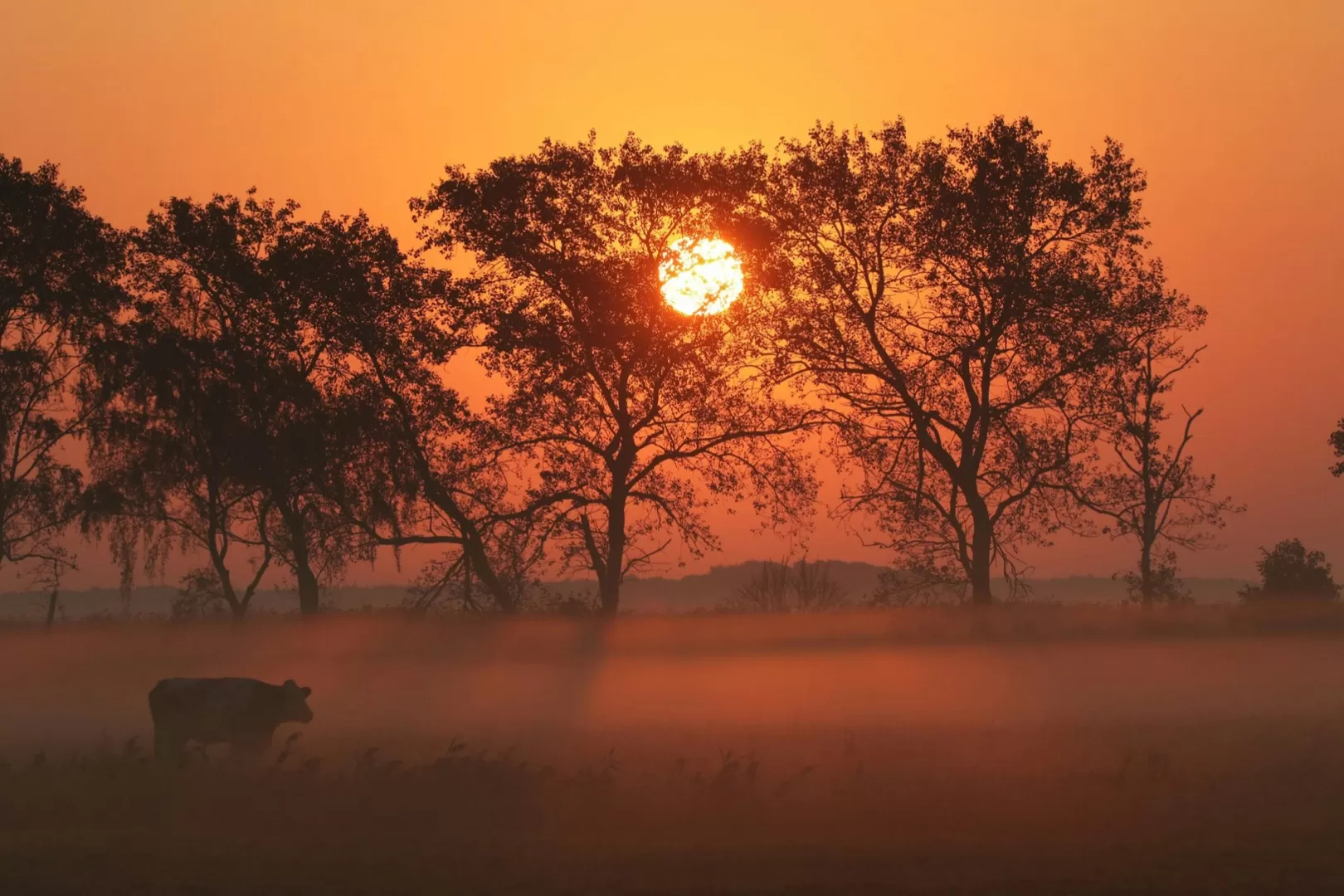
Use silhouettes creatively when animals move against bright skies.
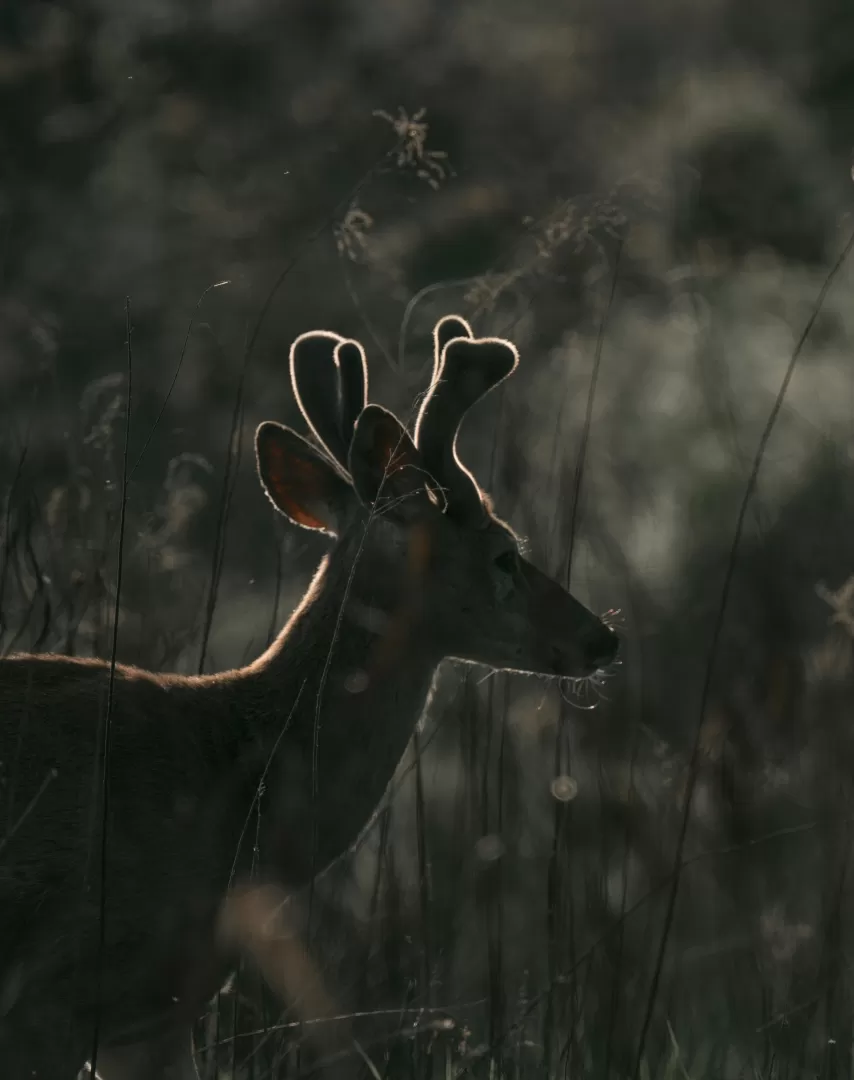
Backlighting combined with dust, mist, or rain can create stunning visual drama.
Watch for reflections during early mornings near water sources.
Observing how light changes minute by minute helps you anticipate powerful photographic moments.
Focusing Techniques in Dark Conditions
Autofocus can struggle when light is limited, especially with moving wildlife.
Use single-point autofocus for more accurate targeting.
Focus on the animal’s eyes whenever possible.
Pre-focus on an area where you expect movement.
Use continuous autofocus modes to track motion.
Practicing focus techniques before heading into the field helps you react quickly when action begins.
Managing Noise and Image Quality
Higher ISO levels are often necessary in low light, but noise can affect image quality. Instead of avoiding high ISO completely, focus on proper exposure — underexposed images tend to produce more visible noise during editing.
Modern editing software can significantly reduce grain while preserving detail. A slightly noisy but sharp image is usually far more powerful than a blurry one.
Safety and Ethical Considerations
Low light often coincides with active hunting hours or nocturnal behaviour. Always respect wildlife and avoid disturbing animals with artificial lighting or sudden movements.
Avoid strong flashes unless absolutely necessary and ethically acceptable.
Maintain safe distances at all times.
Follow park rules and listen to experienced guides.
Capturing authentic wildlife moments should never come at the expense of the animal’s well-being.
Photography freezes what the heart refuses to forget.
Final Thoughts
Low light wildlife photography challenges your technical skills and patience, but it also rewards you with dramatic colours, emotional storytelling, and truly unique images. By mastering camera settings, understanding natural light, and practicing careful focusing techniques, you can turn difficult lighting conditions into some of your strongest photographic opportunities.
Some of the most memorable wildlife moments happen when the light is fading — and with the right approach, those moments can become extraordinary photographs.
Captured & Written by Sreejith
Exploring landscapes, wildlife, and untold stories through the lens.